Donate your zakat

What Is Zakat

Zakat is a monetary worship that is incumbent on those possessing a certain amount of wealth. Giving Zakat is considered as a great act of worship in Islam. The meaning of zakat is “to cleanse” or “purify”. When a Muslim gives Zakat to the poor he is essentially purifying his wealth and his soul.

Zakat is an act that is loved by Allah as through the payment of zakat, the rich share their wealth with those who are less fortunate.

Zakat is only eligible upon mature, sane men and women who meet Nisaab threshold. If a person meets the requirements then 2.5% of their wealth must then be given. One Nation will distribute 100% of your Zakat donation.

Calculate and Pay Your Zakat Using the Latest Nisab Values

Why Give Zakat

Zakat is the third of the five core pillars in Islam. 

Zakat  strengthens community well-being.

Zakat purifies and grows our wealth.

Zakat is an obligation and an act of worship.

Why Give Zakat

Zakat is the third of the five core pillars in Islam. 

Zakat purifies and grows our wealth.

Zakat  strengthens community well-being.

Zakat is an obligation and an act of worship.

Where Can I Give My Zakat?

MOST NEEDY

Donate Zakat to the most needy in over 30 countries.

ZAKAT Appeals

Ramadan 2026 Most Needy, Iftar Meals, Food Parcels, Eid Gifts, Dates Distribution, Zakat Cash Distribution
visit page

Sri Lanka Super Village Orphanages, Medical Center, Income Generation Projects
visit page

Ramadan 2025 Most Needy, Iftar Meals, Food Parcels, Eid Gifts, Dates Distribution, Zakat Cash Distribution
visit page

EMERGENCY AID ZAKAT

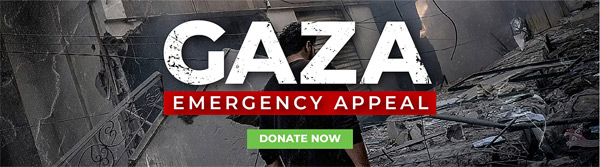
Gaza Emergency Hot Meals, Bedding, Orphan Support, Food Aid, Emergency Aid, Medical Aid, Mothers In Gaza, Gaza Tents, Gaza Trucks, Blankets
visit page

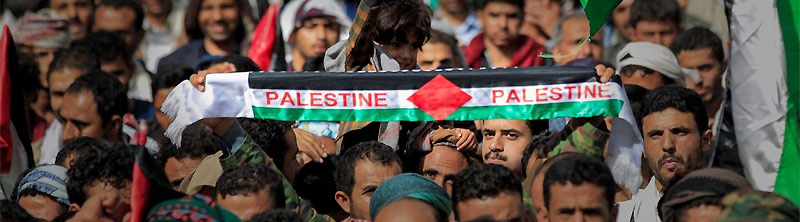
Palestine Most Needy, West Bank Iftar Meals
visit page

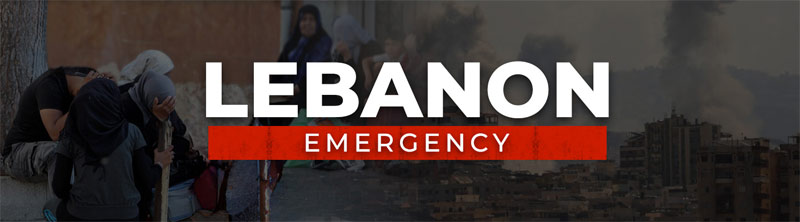
Lebanon Emergency Hot Meals, Food Packs, Emergency Aid Packs
visit page

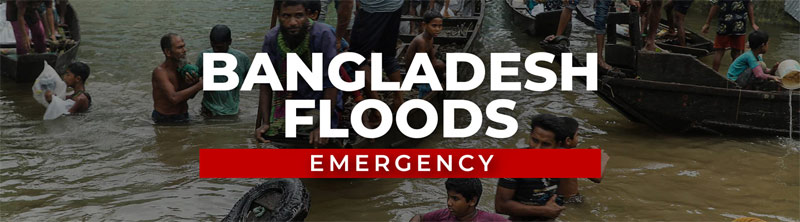
Bangladesh Floods Hot Meals, Food Packs, Emergency Aid Packs
visit page

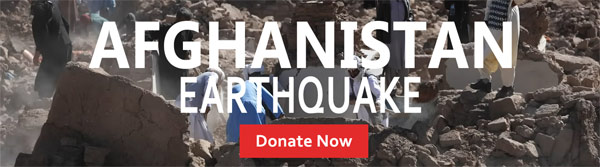
Afghanistan Earthquake Support  Hot Meals, Medical Aid Packs, Food Packs, Emergency Aid Packs
visit page

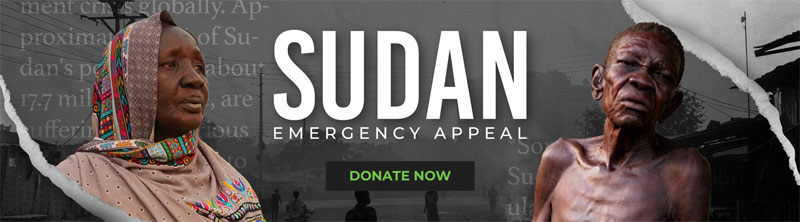
Sudan Emergency Food Parcels
visit page

Yemen Emergency Hot Meals, Food Pack, Water Tank, Malnutrition Packs, Mothers Of Yemen, Baby Pack
visit page

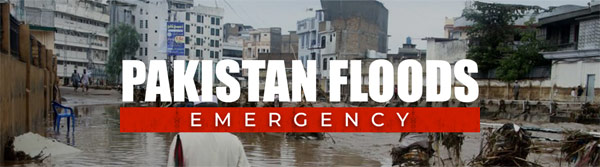
Pakistan Floods Support Hot Meals, Hygiene Kit, Emergency Packs, Food Packs
visit page

ZAKAT Projects

Income Generation Projects in Azad Kashmir, Pakistan, Uganda, Zambia.
Sewing Machines, Fruit Carts, Rickshaws, Shops
visit page

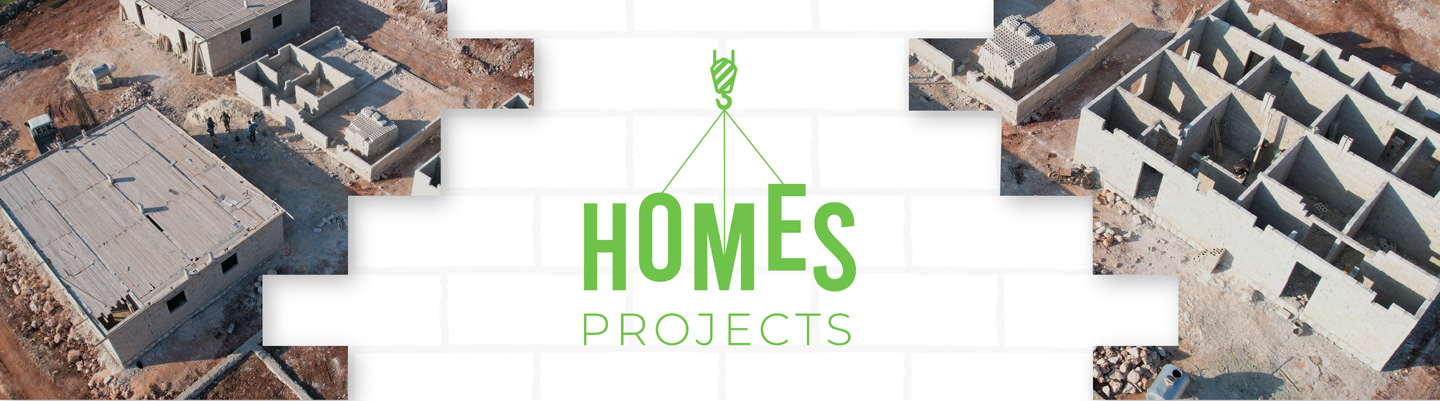
Home Construction Build a home in Afghanistan, Bangladesh, Rohingya, Pakistan, Syrian Refugees, Zambia
visit page

Water Tanks & Water Bottles Afghanistan, Gaza, Lebanon, Somalia, Syrian Refugees,Yemen
visit page

Hafiz Sponsorship in Afghanistan, Bagladesh, Pakistan, Syrian Refugees, Yemen
visit page

Imam Sponsorship in Afghanistan, Ghana, Malawi, Rohingya, Tanzania, Uganda, Zambia
visit page

Orphan Sponsorship in Afghanistan, Azad Kashmir, Bangladesh, Gaza, Pakistan, Syrian Refugees, Yemen, Zambia
visit page

Sponsor a Widow 

visit page

Give Food Daily in Afghanistan, Gaza, Lebanon, Somalia, Syrian Refugees, Yemen
visit page

Feed On Jummah in Afghanistan, Bangladesh, Gaza, Lebanon, Somalia, Syrian Refugees, Yemen
visit page

Set Up £5 Direct Debit Monthly to provide Water Aid, Food, Medical Aid, Education to where most needed
visit page

ZAKAT BY TYPE

Donate to most needed in over 30 countries Donate

Afghanistan, Gaza, Ghana, Lebabon, Syrian Refugees, Yemen Donate

In over 30 countries Donate

In over 20 countries Donate

In over 30 countries Donate

Lebanon, Yemen Donate

Afghanistan, Lebanon, Syrian Refugees, Turkey Donate

Afghanistan, Lebanon, Syrian Refugees Donate

Afghanistan, Syrian Refugees, Yemen Donate

Afghanistan, Lebanon, Somalia, Syrian Refugees Donate

Bangladesh, India, Malawi Donate

What Is Nisaab?

The Nisab is the minimum amount of wealth a Muslim must possess before they become liable to pay Zakat. This amount is often referred to as the Nisaab threshold.

The Nisab was set by the Prophet Muhammad (SAW) at a rate equivalent to: 87.48 grams of gold or 612.36 grams of silver.

How WE USE ZAKAT

When you donate your Zakat, One Nation will distribute your Zakat to those in desperate need.

Our Zakat distribution in over 30 countries involves detailed assessments to ensure that funds reach eligible individuals effectively, providing essential support such as food, clothing, healthcare, medical care and monetary contributions.

Our Zakat Fund is scholar-verified, and entirely Sharia-compliant. Trust One Nation to deliver 100% of your Zakat donation.

FAQ's

1. A free man or woman.
2. Muslim: Zakat is a religious obligation upon Muslims, like the five daily prayers.
3. Sane: The person on whom zakat becomes obligatory must be of sound mind according to Imam Abu Hanifa. Imam Malik holds that an insane person is still liable for zakat.
4. An adult: Children do not have to pay zakat, even if they own enough wealth to make zakat obligatory.
5. In complete ownership and control of their wealth: The person must own and be in possession of the wealth, and also be free to spend or dispose of the wealth in any manner they like. If a person has made a loan of their wealth and are confident that it will be paid back, then they still have to pay zakat on that.
6. In possession of wealth that meets the nisab threshold: The person should possess wealth above a defined amount required to satisfy the essential needs of themselves and their dependents (nisab).
7. Free from debt: Someone in debt may deduct their debts from their assets. If what remains is still above the nisab threshold, zakat is due, otherwise not.
8. In possession of the wealth for one complete lunar (Hijrah) year: If one owns zakatable wealth for a lunar year, zakat will become obligatory, provided the total amount of wealth meets the nisab at the beginning of the year and the end, irrespective of any fluctuations in the months between.
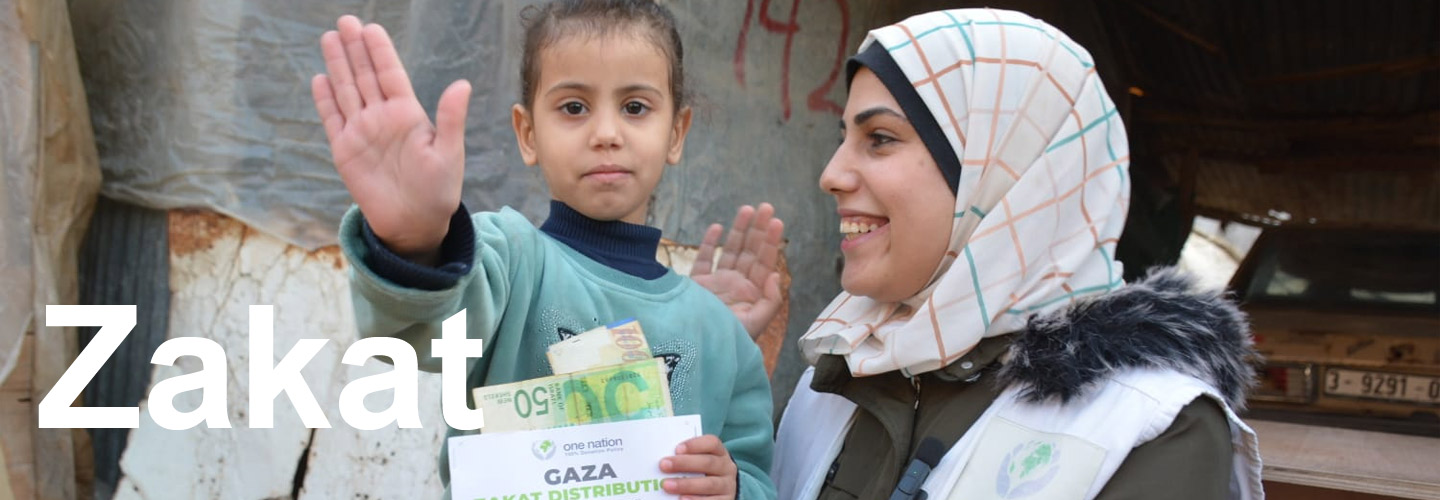
To be eligible to receive zakat, the recipient must be a poor Muslim. A poor person is someone whose zakatable assets in excess of his basic requirements does not reach the value of the nisab threshold.

The recipient must not belong to your immediate family: your spouse, children, parents and grandparents cannot receive your zakat. Other relatives however, can receive your zakat.

The Zakat giver is freed from its obligation as soon as he grants full ownership and possession of it to any of the above mentioned categories. This can be done either by giving a certain amount of money, food, water and or accommodation in desperate circumstances to meet his basic requirements or by giving him a means of production or tools of trade to help him in becoming selfempowered.

We use the Hanafi fiqh criteria in managing and distributing zakat.

You must pay zakat with the intention of paying it. Therefore, it is important that you make an intention to give a donation as a zakat payment.

WORKING IN

OVER 30

COUNTRIES

MAKE A

DIFFERENCE

0300 500 1000

100% DONATION

POLICY