


When is Ramadan 2026 ?
Ramadan 2026 Charity Guide Key Dates, Zakat, Sadaqah & Eid Giving
Ramadan 2026 is expected to begin on the evening of Wednesday 18 February 2026 and end on the evening of Thursday 19 March 2026 or Friday 20 March 2026 followed by Eid al‑Fitr on Friday 20 March 2026 or Saturday 21 March 2026 depending on the sighting of the moon and the official announcements from local scholars and mosques.
For Muslims worldwide, Ramadan is a month of fasting, worship, reflection, and transformation, and also a time when Muslims increase their Ramadan donations including obligatory Zakat and Zakat al‑Fitr, as well as voluntary Sadaqah and Sadaqah Jariyah, to support those in need and purify their own wealth and hearts – it is the peak season of generosity, where giving charity becomes a central part of worship.
This guide covers the essential Ramadan 2026 dates, the significance of giving, and how your charity can make a meaningful impact throughout the month.
Key Ramadan 2026 Dates
| Event | Date |
|---|---|
| Ramadan 2026 Begins | 18 February 2026 |
| Last 10 Nights Begin | 9 March 2026 |
| Laylat al‑Qadr (Expected) | 14 March 2026 |
| Eid al‑Fitr 2026 | 20 March 2026 |
These dates are estimated and should be confirmed closer to the time with your local mosque or Islamic authority, as the actual start and end of Ramadan depend on the confirmed sighting of the moon.
What is Ramadan and why is it important?
Ramadan is the ninth month of the Islamic (Hijri) calendar and is considered one of the holiest months in Islam. It is during this month that the Qur’an was first revealed to Prophet Muhammad (peace be upon Him) and is a month dedicated to spiritual growth, self‑discipline, and compassion.
Core purposes of Ramadan
– Fasting and self-discipline
– Deepened worship
– Gratitude and empathy
– Forgiveness and transformation
Charity and donations in Ramadan
Ramadan is strongly associated with charity, generosity, and caring for those in need. Many Muslims choose this month to give more, because good deeds are believed to be multiplied and hearts are more inclined to compassion.
There are two main categories:
– Obligatory charity (Fard)
– Voluntary charity (Nafl/Mustahab)
Why Charity Matters in Ramadan
Ramadan is a time when hearts are softer, faith is renewed, and the rewards for good deeds are multiplied. Giving charity during this blessed month:
Supports families in hardship
Many rely on Ramadan donations for food, shelter, and essential aid.
Purifies wealth and intention
Charity cleanses the heart and strengthens one’s connection with Allah.
Helps communities thrive
Donations fund long‑term projects such as water wells, education, and healthcare.
Ensures everyone can celebrate Eid with dignity
Through Zakat al‑Fitr and Ramadan food support.
For charities, Ramadan is the most impactful time to reach donors and transform lives.
Obligatory charity in Ramadan
1. Zakat (annual obligatory charity)
What it is:
Zakat is one of the Five Pillars of Islam – a compulsory charity that becomes due once a year on wealth that has reached the Nisab (minimum threshold) and been held for one lunar year.
Who pays it:
Muslims who own savings, investments, gold/silver, business assets, or certain other forms of wealth above the Nisab for a full lunar year.
Why many pay in Ramadan
:
While Zakat can be paid at any time of year once it becomes due, many Muslims choose to pay it in Ramadan for ease of remembering and in hope of extra spiritual reward.
Who receives it:
Zakat must be given to specific eligible categories, such as the poor and needy, people in debt, or those in hardship, according to Islamic guidelines.
NOTE: Note: The actual amount, Nisab value, and detailed calculation should be confirmed using current gold/silver prices.
2. Zakat al‑Fitr (Fitrana)
What it is:
Zakat al‑Fitr is a separate, mandatory charity due at the end of Ramadan upon every eligible Muslim (and paid on behalf of their dependants). It is usually a small, fixed amount per person based on the cost of staple food in the local area.
When to give it:
It must be given before the Eid al‑Fitr prayer, ideally in the last days of Ramadan, so that the poor can enjoy Eid with dignity.
Purpose:
– Purifies the fasting person from minor mistakes and shortcomings during Ramadan.
– Provides food and support to those in need on the day of Eid.
Who should pay:
The head of the household (where applicable) usually pays on behalf of themselves and their dependants (spouse, children, etc.), if the family has enough to cover their own basic needs and this additional amount.
NOTE: The exact amount per person is normally set each year by local scholars or councils; check your local mosque or Islamic charity announcements nearer the time.
Obligatory charity in Ramadan
1. Zakat (annual obligatory charity)
What it is:
Zakat is one of the Five Pillars of Islam – a compulsory charity that becomes due once a year on wealth that has reached the Nisab (minimum threshold) and been held for one lunar year.
Who pays it:
Muslims who own savings, investments, gold/silver, business assets, or certain other forms of wealth above the Nisab for a full lunar year.
Why many pay in Ramadan
:
While Zakat can be paid at any time of year once it becomes due, many Muslims choose to pay it in Ramadan for ease of remembering and in hope of extra spiritual reward.
Who receives it:
Zakat must be given to specific eligible categories, such as the poor and needy, people in debt, or those in hardship, according to Islamic guidelines.
NOTE: Note: The actual amount, Nisab value, and detailed calculation should be confirmed using current gold/silver prices.
2. Zakat al‑Fitr (Fitrana)
What it is:
Zakat al‑Fitr is a separate, mandatory charity due at the end of Ramadan upon every eligible Muslim (and paid on behalf of their dependants). It is usually a small, fixed amount per person based on the cost of staple food in the local area.
When to give it:
It must be given before the Eid al‑Fitr prayer, ideally in the last days of Ramadan, so that the poor can enjoy Eid with dignity.
Purpose:
– Purifies the fasting person from minor mistakes and shortcomings during Ramadan.
– Provides food and support to those in need on the day of Eid.
Who should pay:
The head of the household (where applicable) usually pays on behalf of themselves and their dependants (spouse, children, etc.), if the family has enough to cover their own basic needs and this additional amount.
NOTE: The exact amount per person is normally set each year by local scholars or councils; check your local mosque or Islamic charity announcements nearer the time.
Recommended and voluntary charity in Ramadan
1. Sadaqah (voluntary charity)
What it is:
Sadaqah is any voluntary act of giving, from donating money to sharing food, supporting a project, or even a kind word.
Why it’s emphasised in Ramadan:
Many Muslims increase their Sadaqah in this month, seeking forgiveness, blessings in their wealth, and the pleasure of Allah. It can be small and frequent (e.g., daily giving) or larger one-off donations
2. Sadaqah Jariyah (ongoing charity)
What it is:
Sadaqah Jariyah is a continuous charity that keeps benefiting people over time, such as:
– Funding water wells
– Supporting schools or madrasas
– Contributing to medical or community projects
– Supporting Islamic education and Qur’an learning
Why it matters:
The reward continues as long as people benefit from it, making it a popular form of giving during Ramadan when people plan long-term good deeds.
3. Kaffarah and Fidya (special cases related to fasting)
These are not general Ramadan donations, but are linked to specific situations where the fast is intentionally broken, missed, or cannot be observed for valid reasons.
Fidya:
– Given by someone who cannot fast at all (for example, due to chronic illness or old age) and has no expectation of recovering. In such cases, they provide food or its equivalent value for a poor person for each missed fast, following scholarly guidance.
Kaffarah:
Applies in certain cases where a person deliberately breaks a fast without a valid reason. The requirements for Kaffarah are stricter and should be understood by consulting a reliable scholar.
“The month of Ramadan in which was revealed the Quran, a guidance for mankind and clear proofs of the guidance and the criterion (between right and wrong).”
(Al-Baqarah 2: 185)
Allah says in the Holy Quran:
“The month of Ramadan in which was revealed the Quran, a guidance for mankind and clear proofs of the guidance and the criterion (between right and wrong).”
(Al-Baqarah 2: 185)
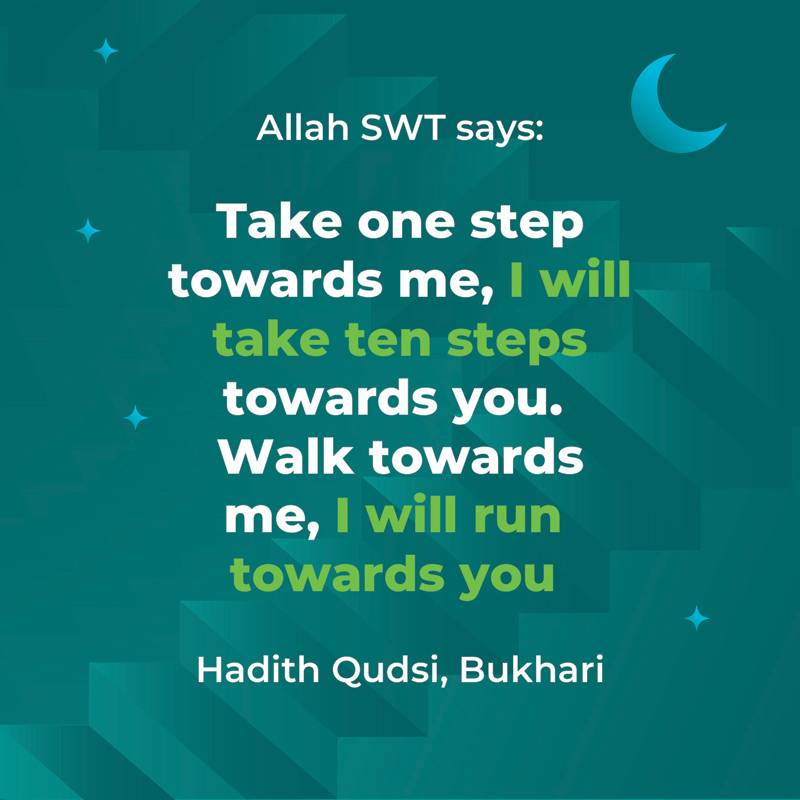
This Ramadan, take meaningful steps towards Jannah
A Journey of Giving with One Nation
Every act of charity brings you closer to Allah’s mercy and strengthens our Ummah in need.
From food and clean water to orphan care and rebuilding lives, your giving turns intention into action and hardship into hope.
Small deeds, given sincerely, carry immense weight with Allah. One step, one donation, one intention can change a life and elevate your akhirah.
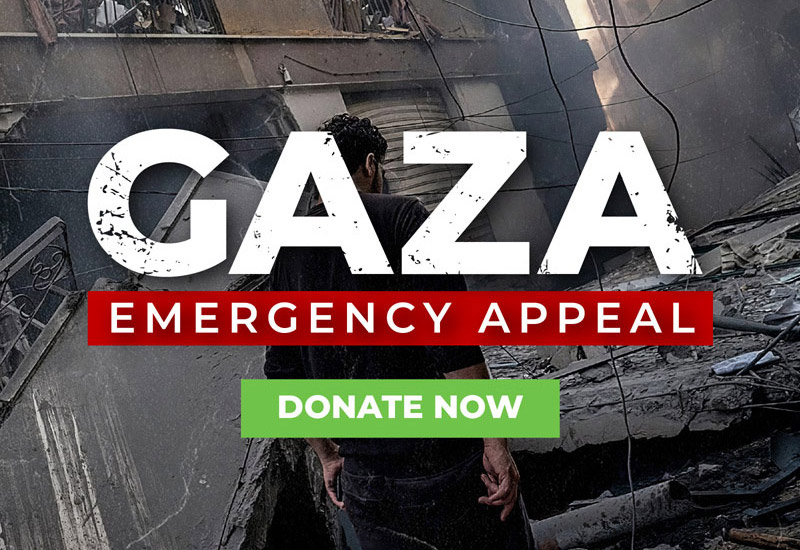
One Nation teams have been working in Gaza since 2014 and are safe on the ground assisting those most in need by providing food packs, bedding, hot meals, medical aid and emergency aid packs.
Please donate to provide urgent relief to those affected

Sudan has plunged into the world’s largest displacement crisis. More than 12 million people have been forced from their homes inside the country, making Sudan the country with the highest number of internally displaced persons globally.
Over 4 million people have fled across borders into neighbouring countries.
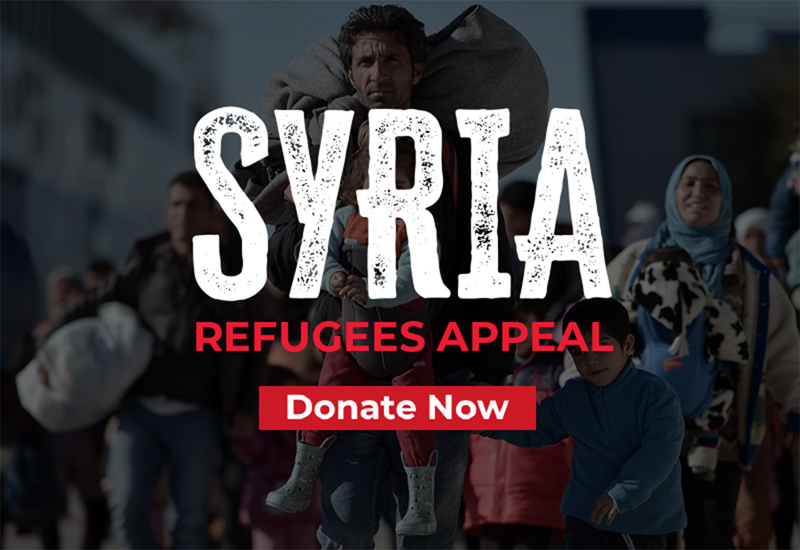
Syria remains in a dire situation marked by ongoing conflict, humanitarian crises, and challenges in rebuilding after over a decade of civil war.
One Nation’s goal is to support Syrian Refugees by addressing the devastation caused by years of conflict.
Ramadan 2025 Updates


WORKING IN
OVER 30
COUNTRIES
MAKE A
DIFFERENCE

0300 500 1000
100% DONATION
POLICY